A car pre-wash is not one particular product or simply the act of covering a vehicle in foam.
A pre-wash is the process of reducing removable contamination before contact washing begins, lowering the cleaning demand placed on the wash mitt.
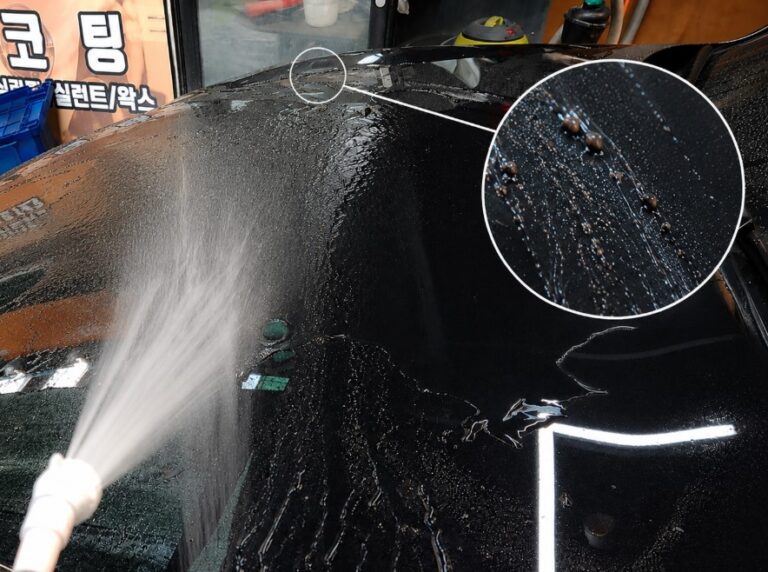
A cleaner can wet and weaken surface contamination, but it is not removed until rinsing physically separates and carries it away.
The correct position of neutral, alkaline, and acidic cleaning depends on the type of soil and the condition of the vehicle’s protection. The goal is not to choose the strongest product. It is to design the right removal order for what is actually on the paint.
🚿 Choose a Pre-Wash by Contamination Type — Expand
-
Light dust and routine maintenance
pH-neutral snow foam → rinse → contact wash -
Localized oily or organic contamination
Targeted alkaline cleaner → neutral foam → rinse → contact wash -
Widespread oily road film
Alkaline pre-wash → rinse → contact wash -
Mineral residue remaining after washing
Remove ordinary contamination → acidic wash → rinse -
Iron fallout, tar, or other bonded deposits
Remove ordinary contamination → use the appropriate decontamination process
Table of Contents
- What Does a Car Pre-Wash Do?
- What Types of Pre-Wash Are Available?
- How Should You Choose a Pre-Wash?
- The Correct Car Pre-Wash Method and Wash Order
- How Does Pre-Wash Connect to Contact Washing?
- What Can’t a Pre-Wash Remove?
- Car Pre-Wash FAQ
What Does a Car Pre-Wash Do?
It Reduces Contamination Before Contact Washing
A driven vehicle collects more than loose dust and soil.
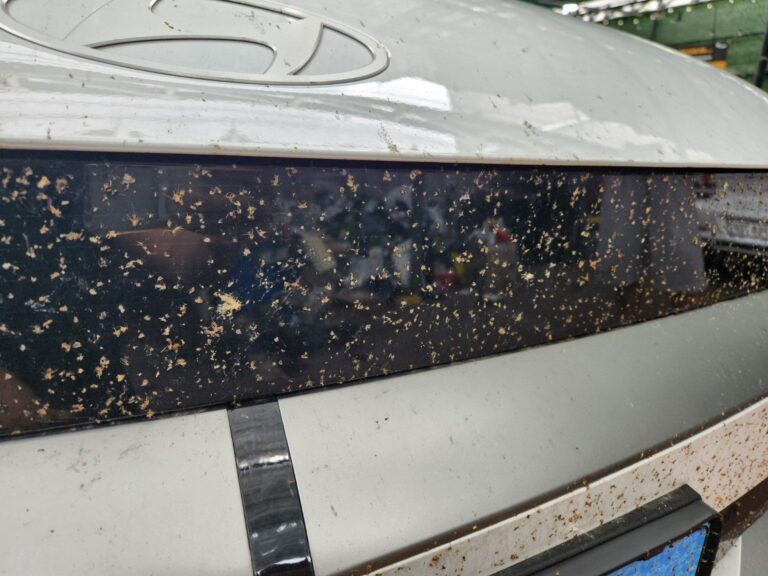
Its paint may also hold oily road film, exhaust residue, dried insects, organic matter, and fine particles. These materials often combine rather than remaining in separate layers.
If a wash mitt is used immediately, more debris becomes trapped between the mitt and the paint. As the cleaning resistance increases, the operator may also add pressure or repeat the same passes to achieve a clean result.
A pre-wash reduces as much removable soil as possible before the mitt touches the surface.
Its Purpose Is Not to Complete the Entire Wash
A pre-wash does not necessarily remove everything from the vehicle.
Some road grime loosens easily with water and cleaner. Thin surface films and bonded deposits, however, may remain attached after pressure rinsing.
The result should therefore be judged by a practical question:
How much soil and removal resistance remain for the contact wash?
A pre-wash does not replace contact washing. It creates better conditions for completing it with less pressure and fewer repeated passes.
For a deeper explanation of why contamination should be reduced before the mitt touches the paint, see Why Pre-Wash Before a Contact Wash?.
The Cleaner Weakens Soil and the Rinse Completes Removal
A pre-wash cleaner wets road grime and helps loosen the oily or organic material holding it against the surface.
That chemical action changes the condition of the soil, but it does not automatically remove it from the vehicle.
The complete process can be described as:
Cleaner delivery → soil weakening → rinse separation → transport → removal
This is why foam thickness or dwell time alone cannot determine whether a pre-wash has worked.
What Types of Pre-Wash Are Available?
A car pre-wash is not limited to one product category.
Depending on the vehicle, the process may involve a preliminary water rinse, pH-neutral snow foam, a high-pH alkaline pre-wash, or acidic cleaning for mineral residue.
Neutral, alkaline, and acidic products should not be understood as a simple weak-to-strong scale. They respond to different deposits and serve different roles within the wash process.
Preliminary Water Rinse
When a vehicle carries visible sand, mud, or large loose particles, a preliminary rinse can remove part of that debris before cleaner application.
Water impact separates loose material, while the continuing flow carries it away from the panel. In this broad sense, a water rinse can perform part of the pre-wash function.
Water alone, however, may not sufficiently loosen oily road film or a thin surface layer that remains attached to the paint.
A preliminary rinse is not automatically required in every situation either.
A preliminary rinse can remove loose particles, but excessive water already on the panel may reduce the cleaner’s initial working concentration. Conversely, applying cleaner to a dry panel may shorten the available working time in warm, windy, or sunny conditions.
Whether to rinse first should therefore be determined by:
- The amount of loose particulate contamination
- The cleaner’s intended application method
- Panel temperature
- Weather and working conditions
- The manufacturer’s instructions
pH-Neutral Snow Foam
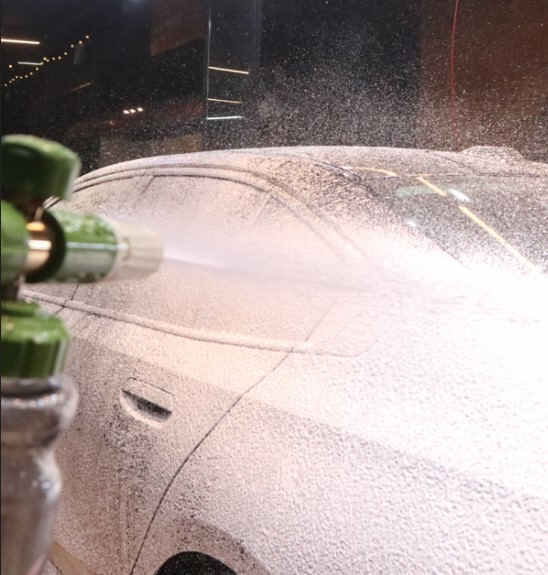
pH-neutral snow foam is suitable for regularly maintained vehicles carrying recent dust and relatively light road grime.
Neutral cleaning is widely used because it can be operated conservatively across vehicles with different paint-protection systems. It can form the basis of routine maintenance for waxes, sealants, ceramic coatings, paint protection film, and vehicle wraps.
Even durable protection systems are gradually affected by weather, repeated washing, sunlight, surface temperature, and environmental exposure. When road grime is light, a neutral maintenance wash can therefore remain the more conservative default.
However, pH-neutral does not mean that every product has the same cleaning strength or the same effect on protection.
Performance can change with:
- Surfactant type and concentration
- Solvents
- Chelating agents
- Foam stabilisers
- Lubricating ingredients
- Rinsing behaviour
Snow foam and car shampoo may share a surfactant base, but their formulas can emphasise different priorities.
Snow foam may place greater emphasis on foaming, wetting, and surface dwell. Car shampoo may place greater emphasis on a continuous lubricating film, soil suspension, and contact-wash performance.
Dual-use formulas also exist and may be approved for both foam-cannon and bucket use.
The label alone is therefore not enough. Check the manufacturer’s intended uses, dilution ratios, foam behaviour, lubrication, and rinse performance.
The formulation and practical differences are explained in Snow Foam vs Car Shampoo: Differences, Uses, and How to Choose.
High-pH Alkaline Pre-Wash
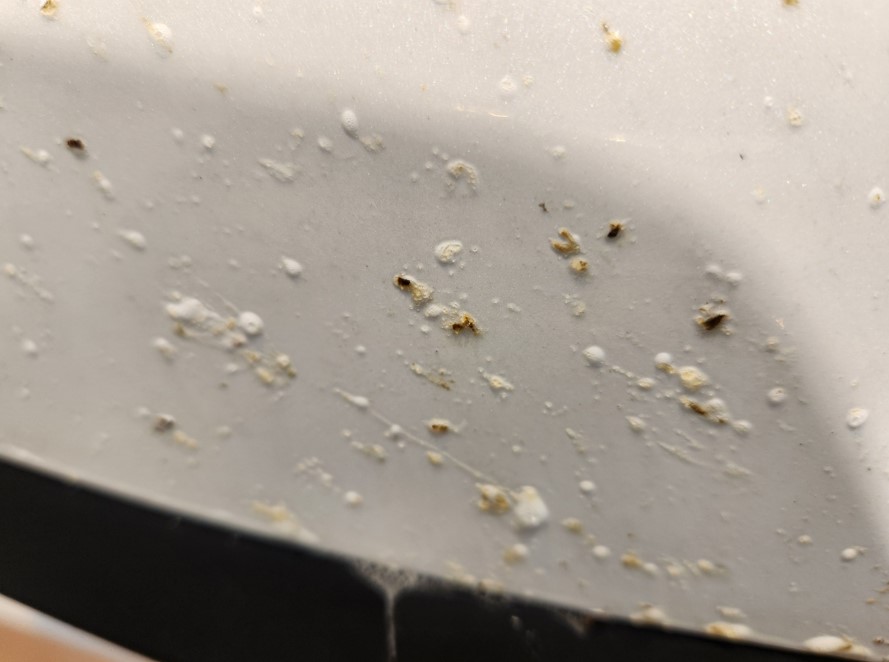
An alkaline pre-wash is useful against widespread oily road film, dried insect residue, and mixed organic grime.
If dirt remains after neutral pre-washing and light contact washing, increasing mitt pressure should not be the first response. The removal range of the pre-wash should be reassessed.
A high-pH alkaline pre-wash can weaken oily and organic material more effectively before contact begins.
The entire vehicle does not always need the same cleaning strength. Areas with dried insect residue or heavy lower-panel road film can be treated more selectively, while the remaining surfaces receive a milder neutral wash.
Alkaline pre-washing does not complete every form of decontamination.
Its second role is to remove ordinary mixed grime so that iron fallout, tar, mineral residue, and other bonded material underneath can be identified and treated more directly.
The reason alkaline cleaning often comes first in a mixed contamination process is explained in Alkaline Pre-Wash: Why It Comes First for Mixed Contamination.
Acidic Cleaning
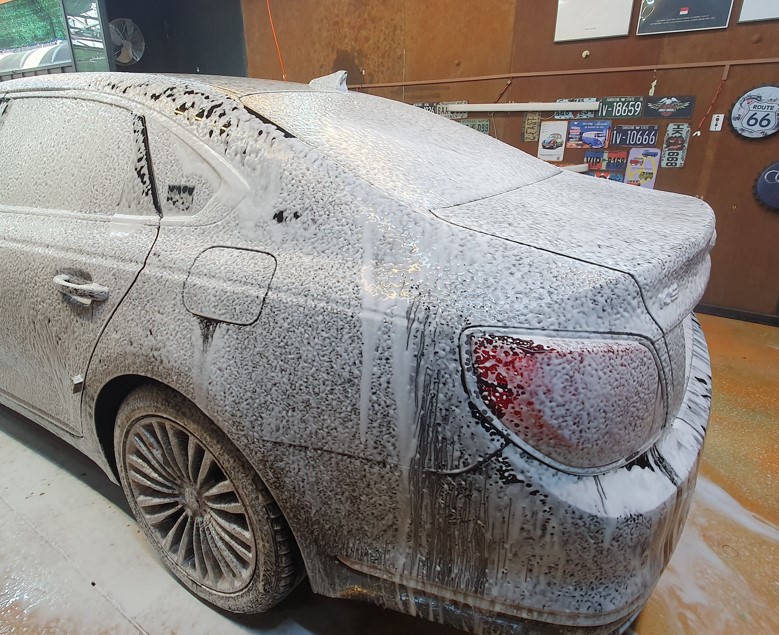
Acidic cleaning is used to weaken thin mineral films and inorganic residue. It may help manage hard-water deposits and early-stage water spotting before the minerals become heavily bonded.
Acidic cleaning can weaken or remove mineral deposits, depending on their thickness and bonding condition. It cannot reverse permanent paint damage that remains after the mineral material itself has been removed.
Acidic cleaning should not be described as stronger than alkaline cleaning. It acts on different material.
If oily road film covers mineral deposits, an acidic cleaner may not reach the mineral reaction surfaces evenly. Ordinary grime should first be reduced so that the mineral residue becomes the actual target.
The typical logic is:
Remove oily and organic contamination
↓
Expose the mineral reaction surface
↓
Apply acidic cleaning
↓
Rinse and reassess the surface
When ordinary contamination is already minimal and the goal is to manage thin mineral residue, lower-concentration acidic cleaning may be incorporated earlier into a maintenance wash.
The position of the acidic stage therefore depends on what is covering the mineral deposits, rather than on a fixed pH sequence.
The relationship between mineral buildup, chemical weakening, and physical separation is covered in Acid Pre-Wash for Mineral Deposits: How It Works.
For the practical order, dilution, foam behaviour, and rinsing process, see How to Use Acidic Pre-Wash: Dilution, Foam, and Rinsing.
How Should You Choose a Pre-Wash?
Choosing a pre-wash is not a matter of selecting the strongest product among neutral, alkaline, and acidic options.
Remove the outer contamination first, then reassess what remains underneath before choosing the next step.
Identify the Outermost Contamination First
Vehicle contamination rarely exists in cleanly separated categories.
Oily road film and dust may cover mineral residue. Ordinary dirt may surround tar spots, iron fallout, or other bonded deposits.
If a dedicated cleaner is selected only because a particular mark is visible, the product may first encounter the material covering or surrounding its intended target.
The first question should therefore be:
What must be removed before the actual target becomes accessible?
The Entire Vehicle Does Not Need the Same Cleaning Strength
Soil distribution varies across a vehicle.
The front may carry dried insects. Lower doors and the rear may hold heavier road film. The roof and upper panels may be comparatively clean.
Targeted reinforcement allows heavily contaminated areas to receive more cleaning action without unnecessarily increasing the strength used across every panel.
This approach helps balance soil removal with conservative protection maintenance.
Place Acidic Cleaning Where the Mineral Surface Becomes Accessible
When oily grime and mineral residue exist together, alkaline and acidic cleaning should not be treated as interchangeable first choices.
The outer surface film must be reduced before the acidic cleaner can act efficiently on the mineral deposits underneath.
This is not a rigid rule that alkaline products must always precede acidic products. It is a condition-based principle:
Cleaning order is determined by the contamination structure, not by memorising a pH sequence.
The Correct Car Pre-Wash Method and Wash Order
Inspect the Contamination and Surface Conditions
Before applying any cleaner, inspect the vehicle.
Determine whether the surface holds:
- Large loose particles
- Widespread oily road film
- Localised dried insects
- Thin mineral haze
- Established water spots
- Iron fallout or tar
- A combination of several soil types
Also check panel temperature, direct sunlight, wind, paint protection film, wraps, and the condition of any wax, sealant, or coating.
The same product can behave differently when the panel is hot or the solution dries too quickly.
Deliver the Cleaner Where It Is Needed
Road grime is not distributed evenly, so product type and concentration do not always need to be uniform across the vehicle.
The front, lower sections, rear panel, wheels, and areas behind the tyres often require different treatment from the upper panels.
A cleaner should be supplied evenly enough to maintain contact with the soil. Excessive application, however, does not automatically create more cleaning power.
Allow Effective Wet Dwell Time
A pre-wash cleaner needs time to interact with the surface grime, but longer dwell time is not always better.
The useful period is the time during which the cleaner remains wet and able to react.
Once the solution begins to dry:
- Reaction conditions become uneven
- Residue may concentrate
- Rinsing demand increases
- Sensitive materials may be placed under greater stress
Use the manufacturer’s recommended dilution and working time as the baseline, then adjust the working area according to temperature, wind, shade, and application volume.
For a detailed explanation of concentration, wet dwell time, physical separation, and rinsing, see 3PH Car Wash Cleaning Power: Concentration, Dwell Time, and Mechanical Cleaning.
Rinse to Separate and Remove Soil
Rinsing is not merely the act of removing visible foam.
Water impact separates soil that has already been weakened. Continuing water flow then transports the loosened material and remaining cleaner away from the surface.
An incomplete rinse may leave both grime and chemical residue on the paint or inside panel gaps.
After alkaline or acidic cleaning, pay particular attention to:
- Trim edges
- Emblems
- Grilles
- Mirrors
- Fuel-filler areas
- Panel gaps
- Wheels and wheel hardware
The physical removal mechanisms of high-pressure water, tool contact, bonded-deposit removal, and polishing are explained in Car Wash Cleaning Power: Water, Contact, and Polishing.
Reassess the Surface Before Contact Washing
After rinsing, check how much contamination has been reduced.
If a large amount remains, do not immediately increase mitt pressure. Reconsider:
- Product selection
- Working concentration
- Application volume
- Wet dwell time
- Coverage
- Rinsing technique
The same product can produce different results under different working conditions.
Real-World Cleaning Power = Product Design × Real-World Application
How Does Pre-Wash Connect to Contact Washing?
Pre-Wash Creates the Conditions for Safer Contact
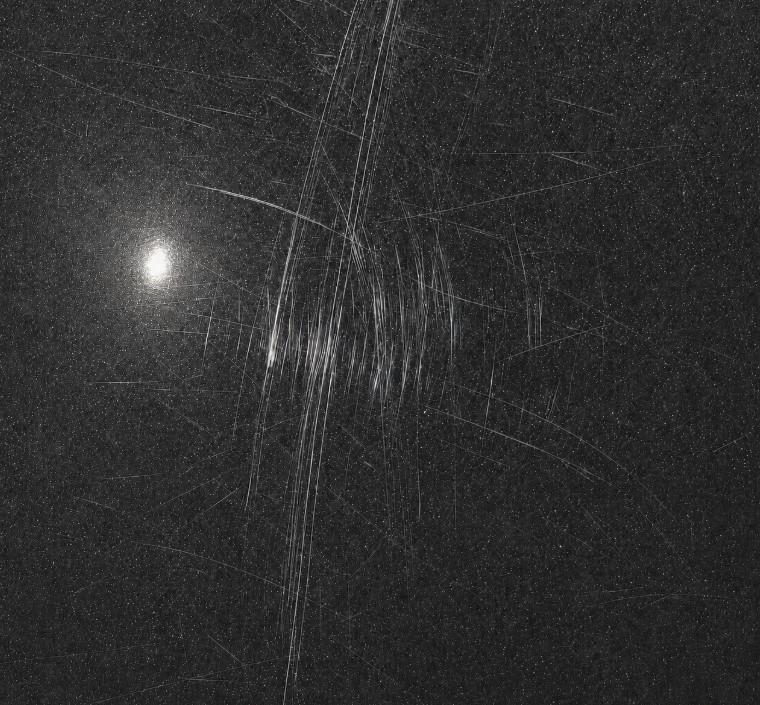
Wash-induced marring is not determined by mitt softness alone.
Particulate contamination, pressure, friction, and movement act together at the contact surface.
Scratch Risk = Particulate Contamination × Pressure × Friction × Movement
Pre-washing primarily targets the first factor—particulate contamination—before physical contact begins.
When fewer particles remain, the operator is also less likely to add pressure or repeat the same movement several times.
Chemical cleaning comes first not because chemistry is stronger than physical cleaning, but because it can make the physical contact that follows safer.
Contact Washing Removes the Remaining Film
Even after a successful pre-wash, a thin surface film may remain attached to the paint.
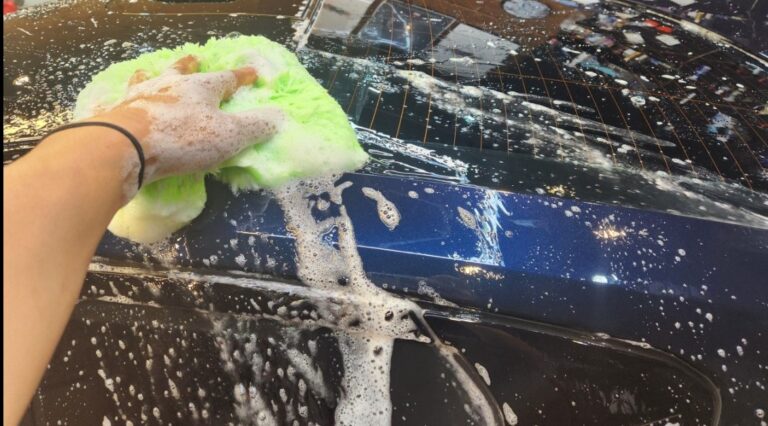
During contact washing, a saturated wash mitt uses controlled contact to separate this remaining soil. Shampoo solution fills the contact area, supports loosened particles, and helps transport debris away from the immediate path of the mitt.
Pre-washing and contact washing are not competing alternatives. They manage different parts of the removal process.
- Pre-wash: Reduces soil that can be removed before contact
- Contact wash: Separates the film and residue that remain attached
Pre-Washing Does Not Make Heavy Mitt Pressure Safe
If large particles or substantial grime remain after rinsing, high pressure and repeated movement can still increase marring risk.
When the pre-wash has sufficiently reduced the soil load, the contact wash can rely on abundant shampoo solution, a clean saturated mitt, and light controlled movement.
The result of pre-washing is therefore not confirmed by the product name or foam thickness. It is confirmed by how little force is needed during the contact wash.
What Can’t a Pre-Wash Remove?
Every Pre-Wash Has a Removal Range
Neutral snow foam and alkaline pre-wash can reduce ordinary dust, oily film, and mixed road grime, but they do not remove every bonded deposit.
If the paint still feels rough or shows black dots, pale water marks, or a persistent film after washing, inspect separately for:
- Iron fallout
- Tar
- Mineral deposits
- Water spots
- Bonded surface film
- Paint etching
Remove Ordinary Grime Before Decontamination
Iron removers, tar removers, acidic cleaners, and other dedicated products must reach their intended targets.
When ordinary dirt and oily film cover bonded material, the dedicated cleaner may react unevenly or spend part of its useful working time on material above the target.
Removing ordinary grime first reveals what actually remains and makes the next process easier to select.
This also reduces the number of loose particles present during any mechanical decontamination that follows.
For a closer look at why bonded deposits should be exposed before dedicated treatment, see Why Alkaline Pre-Wash Comes First: Revealing Bonded Contamination Before Decontamination.
Change the Removal Method Instead of Adding More Force
Deposits that remain after pre-washing and contact washing should not automatically be scrubbed harder.
Different bonded materials may require different methods:
- Iron remover for iron fallout
- Tar remover for tar
- Acidic cleaning or a water-spot remover for mineral deposits
- Clay for protruding bonded material
- Paint cleaner for persistent surface film
- Polishing when the deposits have been removed but paint defects remain
The goal with ordinary grime is to reduce the force required.
With bonded deposits, the goal is not to keep increasing force. It is to change the cleaner, tool, or removal stage.
Car Pre-Wash FAQ
Is a Car Pre-Wash Always Necessary?
Not every vehicle requires the same pre-wash strength.
However, reducing removable soil before contact can lower the amount of debris handled by the wash mitt and reduce the pressure needed during washing.
A lightly contaminated vehicle may require only a water rinse or pH-neutral snow foam. A vehicle carrying heavier road film may benefit from alkaline cleaning.
Can You Wash a Car With Pre-Wash Only?
If the soil load is extremely light and the goal is limited maintenance rather than a complete wash, the process may end after pre-washing and rinsing.
However, a thin attached film may remain on the paint. In most situations, the pre-wash is intended to prepare the vehicle for a safer contact wash.
If contact washing is skipped, avoid aggressively towel-drying a surface that may still hold contamination.
Do You Still Need a Contact Wash After Snow Foam?
In most cases, yes.
Snow foam and rinsing reduce loose and chemically weakened soil, but a thin film can remain attached to the surface. Contact washing uses shampoo and a wash mitt to separate and remove what remains.
Is Pressure Rinsing Alone a Pre-Wash?
It can perform part of the pre-wash function by removing loose particles through water impact and flow.
However, water alone may not sufficiently weaken oily road film or grime that has dried onto the paint.
What Is the Difference Between Neutral Snow Foam and Alkaline Pre-Wash?
Neutral snow foam is generally suited to routine maintenance and lighter road grime.
A high-pH alkaline pre-wash is more effective against oily road film, dried insects, and mixed organic contamination.
Neither is always better. The correct choice depends on the soil, surface condition, protection, and cleaning process that follows.
Can You Use an Alkaline Pre-Wash During Every Wash?
It depends on the contamination present.
Routine maintenance often requires only a water rinse or pH-neutral cleaning. A high-pH alkaline pre-wash is more useful when the vehicle carries heavier oily road film, dried insects, or mixed organic grime.
Using alkaline cleaning during every wash is not automatically wrong, but it may add unnecessary cleaning demand when the vehicle is only lightly contaminated.
Can Car Shampoo Be Used in a Foam Cannon?
Some products support both foam-cannon and bucket use.
However, car shampoo may prioritise lubrication and contact-wash performance, while snow foam may prioritise wetting, foaming, and surface dwell.
Check whether the manufacturer provides separate dilution instructions for foam-cannon and bucket use.
Should You Rinse the Car Before Applying Snow Foam?
There is no single answer for every vehicle.
A preliminary rinse can reduce heavy sand and mud. However, excessive water already on the panel may reduce the cleaner’s initial working concentration.
Cleaner may also dry faster on a dry, warm panel. Make the decision according to the soil, weather, surface temperature, and product instructions.
When Should You Use an Acidic Pre-Wash?
Acidic cleaning can be used when thin mineral film or inorganic residue remains after ordinary washing.
If oily road film covers the mineral residue, remove that material first so the acidic cleaner can reach its intended reaction surface.
Established water spots or paint etching may require a dedicated removal or correction process.
Conclusion
The purpose of a pre-wash is to remove contamination in the order it exists on the vehicle, not simply to use stronger chemistry.
Remove what is covering the paint, reassess what remains, and then choose the next cleaning stage.
The cleaner, rinse, contact wash, and any later decontamination then become one continuous removal process rather than a series of unrelated steps.